
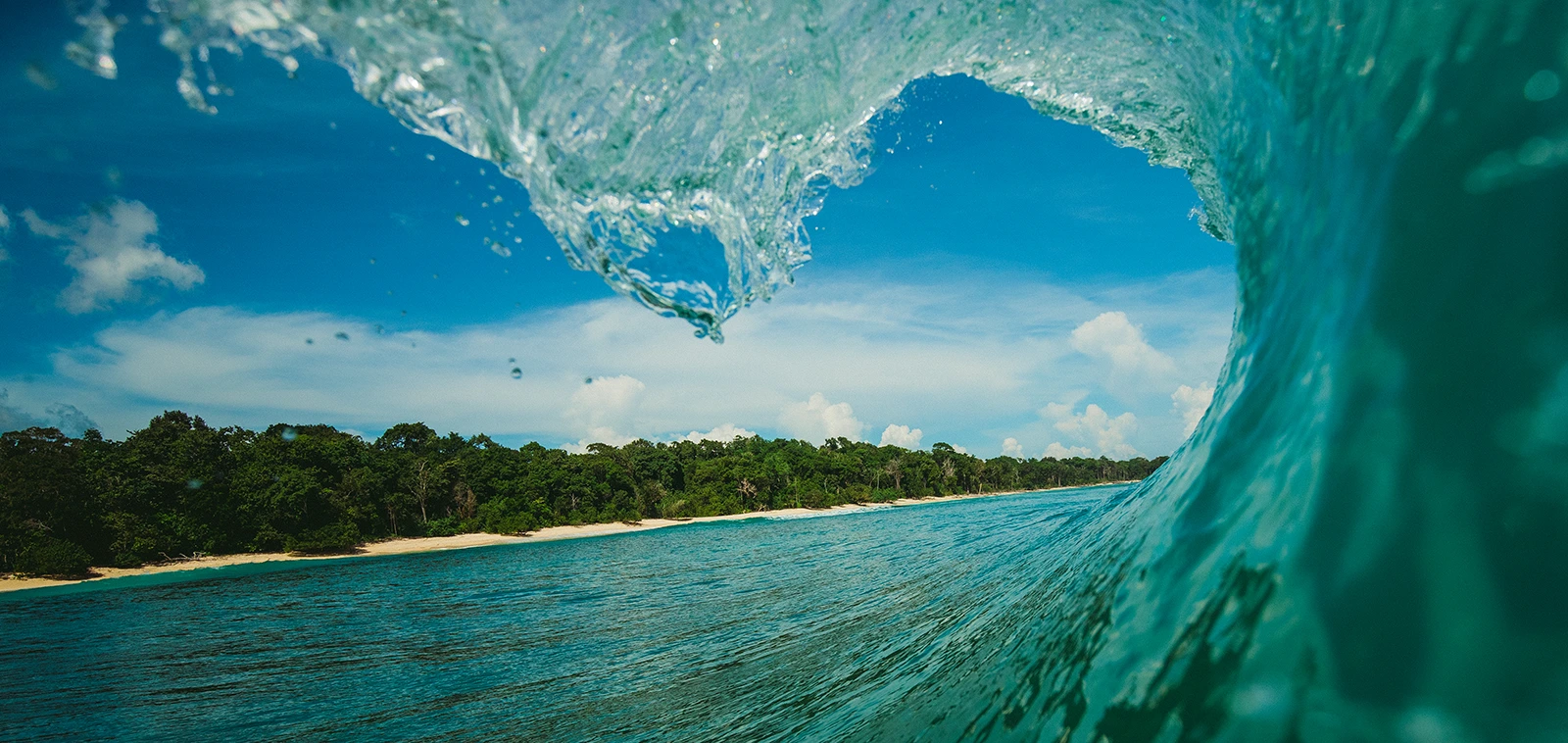
If you reckon surfing is all about sunset sessions, sticky wax, and salty hair, you clearly haven’t been tuning into the World Surf League (WSL) Championship Tour. This is the proper arena. It’s the absolute pinnacle of the sport, where every single carve holds weight, sussing out a shifting sandbank can pocket you thousands, and catching a rail at the wrong split-second can derail a career in a flash.
Here’s a look under the bonnet at the finely tuned machine that transforms the world’s best free-surfers into ruthless competitive beasts.
The elite circuit of professional surfing
The CT is the premier league. Far removed from local Sunday beach competitions, it features a select group of 36 men and 24 women who have navigated a rigorous qualification process.
Each season, these athletes compete across roughly a dozen locations over nine months, crossing oceans to tackle vastly different conditions. From Australia to Hawaii, via Europe and South America, the tour exposes surfers to various types of break: heavy beach breaks, technical point breaks, and demanding reef breaks.
The goal : the World Title
Lifting the WSL World Champion trophy means joining the ranks of surfing icons like Mark Richards, Kelly Slater, Andy Irons, and Gabriel Medina. Unlike sports that hand out numerous medals, surfing crowns just one male and one female champion per year in shortboard and longboard, making the title highly sought-after.
This accolade rewards consistency, resilience, and technical skill over the long haul, not just a one-off performance during a sizable swell. For athletes, it’s the definitive achievement: the title that secures major sponsorship deals, invitations to key events, and lasting international recognition.
The competition format explained
A global tour of classic waves
The calendar takes the surfers right around the globe. The season traditionally kicks off at Bells Beach in Australia, where the point and reef breaks provide ideal conditions to establish the early rankings. Australia, widely considered the birthplace of modern surfing, usually hosts three consecutive stops, allowing competitors to find their rhythm.
The circuit then heads to New Zealand, crossing the Pacific towards Latin America, Polynesia, and the US.
Each spot has its own character. Surfers might be reading shifting sandbanks one day and dropping into heavy walls of water the next. The final act of the tour is Hawaii – Pipeline, to be exact. It’s a return to the sport’s roots, where the shallow reef leaves no room for error and the viewing experience is gripping.
Understanding heats and scoring
Let’s look at the mechanics. A ‘heat’ is a 20 to 30-minute tactical battle between two to four surfers. You can paddle into fifty waves if you wish, but only your top two scores count. This is where strategy comes into play: do you lock in an average score early on, or wait patiently for the set wave, risking drawing a blank?
Up in the judges’ tower, a panel of five scores each wave out of 10. Their criteria include commitment, degree of difficulty, innovative manoeuvres, speed, and flow. A heat total is out of 20 points, and the result can completely flip in the dying seconds with one radical turn. The system incorporates various elimination rounds: top seeds often get a bye through the early stages, while lower-ranked surfers must clear more hurdles to reach the finals.
The leaderboard : how are the points dished out?
The maths is straightforward but unforgiving. The points up for grabs fluctuate depending on the weight of the event and where we’re at in the season.
Bagging a win at a regular-season stop pockets you a solid 10,000 points. The runner-up walks away with 7,800, and a semi-final finish lands you 6,085. From there, the points drop off a cliff, essentially forcing the pack to go all-out for the win rather than just turning up to make the numbers.
The real lifesaver, however, is the ‘throwaway’ rule. Only a surfer’s absolute best results actually go towards their final standing. To break it down: your top seven scores out of nine events count towards making the cut for the finals, while your best nine out of twelve dictate the world title race. It’s a brilliant safety net-meaning a snapped board or a shocker of an interference call won’t completely torpedo your year. The WSL’s message is loud and clear: put it all on the line, because we’ll let a couple of off-days slide.
The WSL Finals: the decider
The Final 5 and the return to Pipeline
The back end of the season shifts into a demanding postseason format. Following the regular run, the field is narrowed down to keep only the top performers: the leading 24 men and 16 women. These surfers secure their spot for the following year.
It’s a more spread-out, strategic approach than the former mid-season cut. Those who miss out during this phase aren’t instantly relegated, however; they rejoin the full roster for the Hawaiian finale at Pipeline. This gives them one last opportunity to prove they belong on the elite tour. It’s a rule that maintains fairness while keeping the competition compelling right to the end.
A unique format to crown the champions
The Pipeline showdown turns the dial right up. The points up for grabs get a serious bump, with 15,000 going straight to the winner. Thanks to a staggered entry system, the world’s top eight get to bypass the early grind, rocking up fresh for the round of 16.
Pipeline plays by its own rulebook : those heavy, hollow slabs can make or break a career in a heartbeat. Going all-in is a given, but relying purely on textbook technique simply won’t cut it here. Surfers have to properly read the line-up, suss out the sets, hold their nerve, and manage the fear factor to thrive in such a punishing arena. It makes for gripping viewing, creating the perfect proving ground for a champion.
Who are the athletes driving the tour?
Tour faces: legends and the new generation
The CT locker room is a constant blend of eras. On one side, you have the establishment, the multi-titled veterans who understand the tides, the judging criteria, and the pressure. They read the line-up with ease and rarely panic when the clock is ticking down.
On the flip side, the new generation stands out with an innovative approach to manoeuvres, constantly pushing the boundaries of what’s possible. These younger athletes have typically followed intensive training programmes from an early age. When youthful confidence meets the seasoned positioning of the veterans, the sport evolves, raising the performance bar that bit higher.
How do you qualify for the Championship Tour?
You don’t just stumble onto the CT. The proving ground is known as the Challenger Series. This tier features around ten annual events where former CT surfers looking to requalify go up against ambitious up-and-comers. Only the highest-ranked competitors on this circuit earn their ticket to the top tier.
Factor in the regional champions and the crucial ‘wildcards’ (invitations handed to emerging talents or injured veterans), and you have your roster. Once on the main tour, the honeymoon period is brief: the pressure is intense, and surfers need to justify their spot by dropping solid scores straight out of the gate.
How to follow the Championship Tour season
Where and when to watch live events
The World Surf League has transformed how pro surfing is broadcast, offering free, global access to all its events via its digital platform. Whether you’re in your living room or using a campsite Wi-Fi connection, the coverage is comprehensive, featuring drone footage, water cameras, HD slow-motion replays, and expert commentary.
The WSL mobile app lets you stream competitions live, offering custom notifications so you catch the key heats. Full replays are also available if you happen to miss a 6 a.m. call. Additionally, select national broadcasters sometimes pick up the feed to provide regional analysis.
Staying connected to pro surfing news
The surfing ecosystem doesn’t switch off between events. To get a real feel for the tour, it’s worth digging a little deeper. The social media accounts of the league and the surfers themselves offer plenty of behind-the-scenes content, highlighting the challenges, the go-to boards, and the freesurf sessions.
However, to truly understand the sport, it pays to explore specialist media and dedicated podcasts like STAB or SURFER. That’s where long-form discussions hosted by former pros break down the psychology of a tough loss or a coach’s tactical approach.
2026 WSL Calendar
For the 2026 season, the tour travels across nine countries. The schedule currently includes stops in Australia, El Salvador, Brazil, South Africa, French Polynesia, Portugal or France, the US, and potentially the United Arab Emirates. This global itinerary ensures the athletes are tested across a wide variety of waves, climates, and time zones as the year progresses.
| Stop | Event | Location | Dates |
| 1 | Rip Curl Pro Bells Beach (presented by Bonsoy) | Bells Beach, Victoria, Australia | 1 – 11 April |
| 2 | Western Australia Margaret River Pro | Margaret River, Western Australia, Australia | 16 – 26 April |
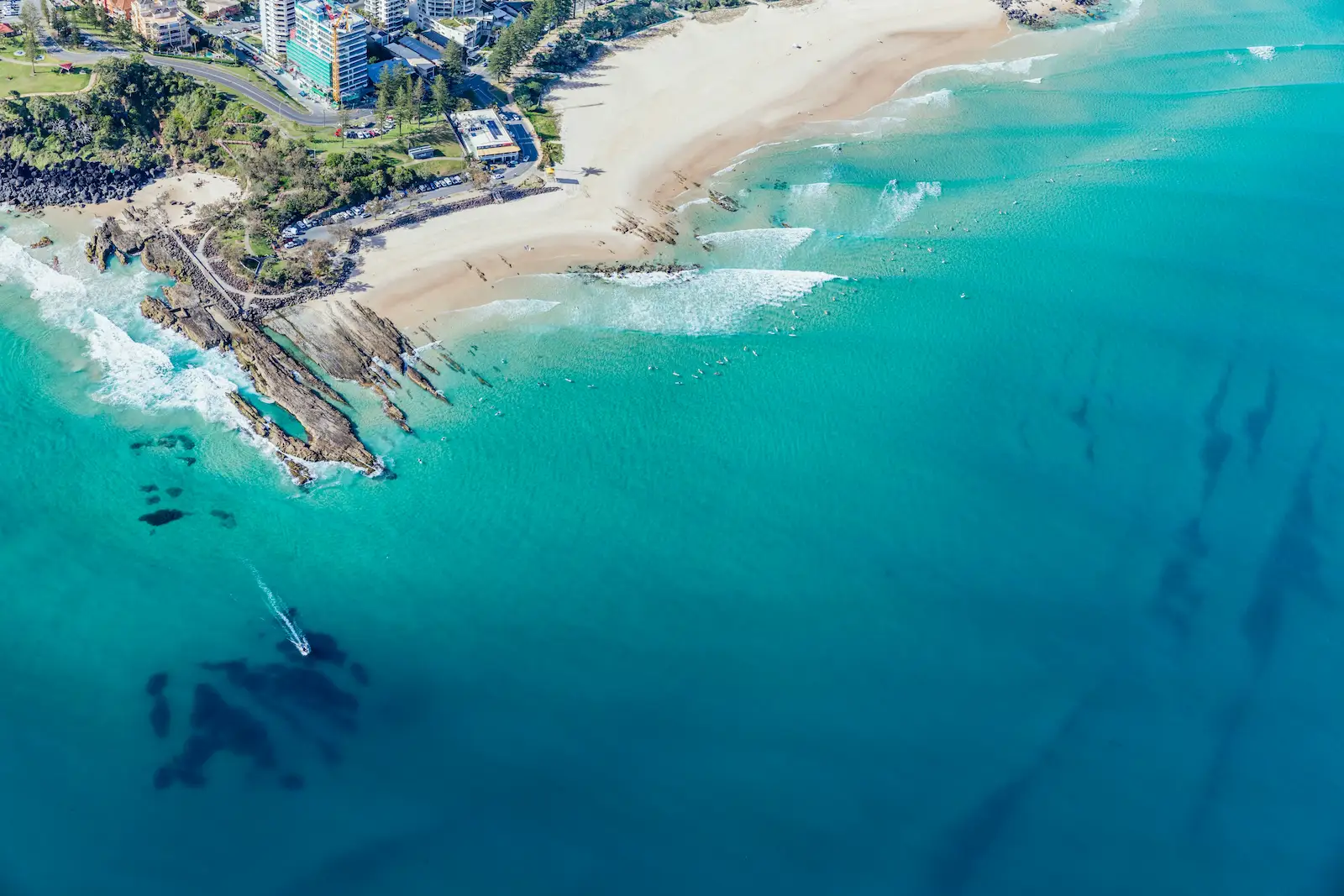
| 3 | Bonsoy Gold Coast Pro (presented by GWM) | Gold Coast, Queensland, Australia | 1 – 11 May |
| 4 | Corona Cero New Zealand Pro (presented by Bonsoy) | Raglan, New Zealand | 15 – 25 May |
| 5 | Surf City El Salvador Pro (presented by Corona Cero) | Punta Roca, La Libertad, El Salvador | 5 – 15 June |
| 6 | VIVO Rio Pro (presented by Corona Cero) | Saquarema, Rio de Janeiro, Brazil | 19 – 27 June |
| 8 | Tahiti Pro (presented by I-SEA) | Teahupoʻo, Tahiti, French Polynesia | 8 – 18 August |
| 9 | Fiji Pro (presented by Corona Cero) | Cloudbreak, Fiji | 25 August – 4 September |
| 10 | Lexus Trestles Pro | Lower Trestles, San Clemente, California, USA | 11 – 20 September |
| 11 | Surf Abu Dhabi | Hudayriyat Island, Abu Dhabi, UAE | 14 – 18 October |
| 12 | MEO Rip Curl Pro Portugal (presented by Corona Cero) | Supertubos, Peniche, Portugal | 22 October – 1 November |
| 13 | Lexus Pipe Masters | Oahu, Hawaii, USA | 8 – 20 December |
The 2026 WSL Athletes
The WSL has just released the season wildcards for 2026, and the anticipation for the Championship Tour has notably increased. We are seeing a return of established names, bringing a combined total of 16 world titles to the roster:
- Stephanie Gilmore : After two years away from the tour, the eight-time Australian world champion is returning full-time. Her consistently smooth style is back in the line-up.
- Carissa Moore : The five-time world champion is swapping her 2025 maternity leave for the competitive environment of the heats. Her return is set to be a major talking point in the women’s draw.
- Gabriel Medina : The three-time Brazilian world champion secures his spot following a few fragmented seasons due to physical and mental health breaks. A focused Medina, free from the pressure of the mid-season cut, remains a serious threat to the rest of the field.
- John John Florence (and Ramzi Boukhiam) : The Hawaiian surfer was expected to round out this high-profile group, but he has opted out of full-time competition for now. He is prioritising his sailing expedition, choosing to travel the globe and find quality waves with his family. His withdrawal opens the door for Ramzi Boukhiam. The powerful Moroccan goofy-footer inherits the spot and intends to bring his strong rail surfing to the main stage.
The 2026 WSL Tour Spots
The WSL has also significantly reshuffled the Championship Tour map. A few familiar locations have been removed, making way for a wave pool in the desert and the return of a renowned Gold Coast break. The world tour is shifting gear, introducing new venues that will force the top surfers to adapt their strategies:
- Raglan (New Zealand) : Welcome news for goofy-footers. Manu Bay joins the circuit as the fourth stop, stepping in to replace J-Bay in South Africa. It features a long left-hand point break that helps balance a tour previously heavily weighted towards right-handers. Expect to see plenty of extended rail carving.
- Snapper Rocks (Australia) : A well-received return. After five years off the regular circuit, the Queensland break reclaims its position as the third stop. The Superbank will once again offer those hollow sections behind the rock and the steep walls that characterise the Australian east coast.
- Abu Dhabi (United Arab Emirates) : The tenth stop of the year marks the start of the post-season with a reduced field (featuring only the top 24 men and 16 women). The WSL is bringing Kelly Slater’s wave pool technology to Hudayriat Island, providing an exceptionally long artificial barrel. It is a mechanical wave environment where clinical precision will be essential.
FAQ – Your questions about the WSL Championship Tour
What’s the earning potential for CT surfers ?
It’s a real mixed bag depending on contest results and sponsorship backing. While the top-tier athletes can easily pocket six-figure sums in prize money alone, their actual bread and butter usually comes from lucrative brand partnerships and endorsement deals.
Can you watch the events live on the beach ?
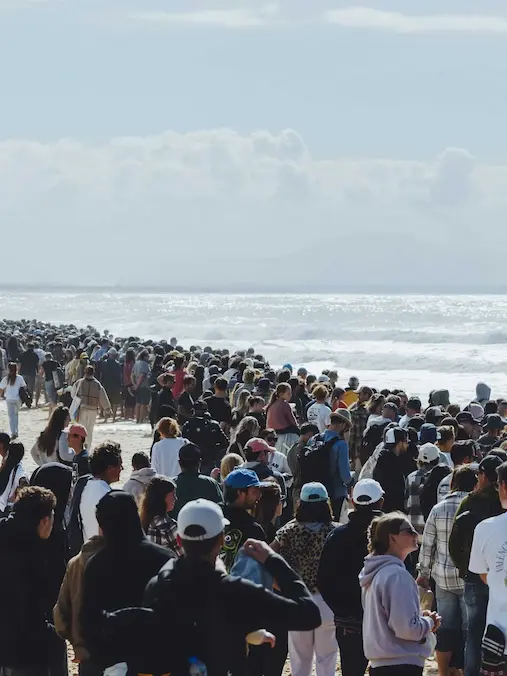
Spot on. The real beauty of surfing is that the great outdoors is your stadium. While you might have to fork out for the exclusive VIP areas, the beaches themselves are generally free to roam. It means you can pitch up, soak in the buzz, and cheer on the pros straight from the sand.
The CT or the Olympics: what’s the ultimate prize ?
To the wider public, bagging an Olympic gold every four years is the absolute pinnacle. But ask any core surfer, and they’ll tell you the CT is the real deal. It crowns the ultimate champion over a gruelling nine-month slog, forcing athletes to master every type of swell imaginable. It’s the ultimate acid test.
How does the judging actually work ?
You’ve got five pairs of expert eyes glued to the line-up. They dish out scores out of 10 based on commitment, how radical the turns are, innovation, speed, and flow. To keep things fair and square, the highest and lowest scores are binned, and the middle three are averaged out. Naturally, there’s always a bit of subjectivity involved, which usually leads to some fiery post-heat debates down the pub or on the beach.