
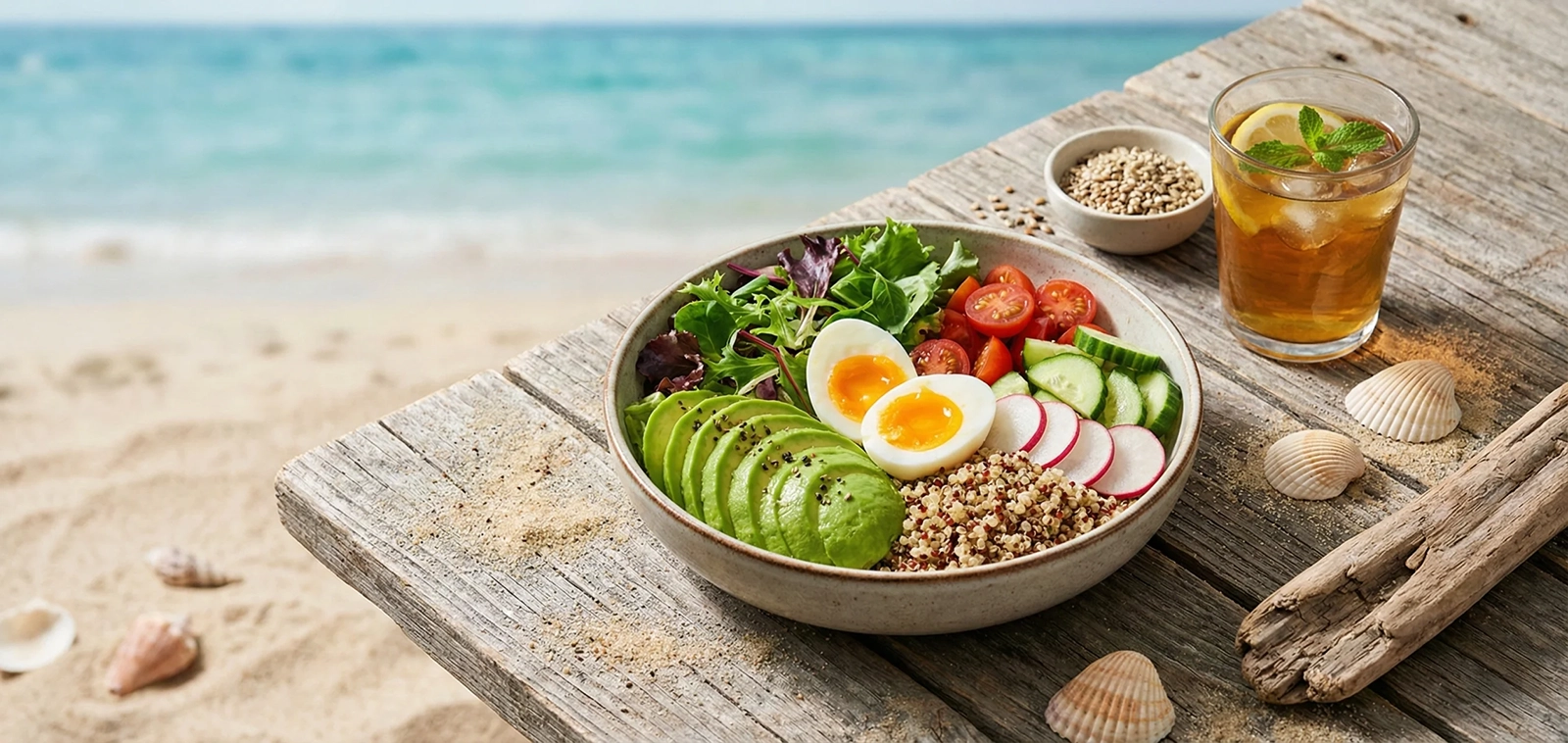
Your body is your primary tool for mastering the waves. Just as a surfer preps their board before every session, your diet deserves the same level of attention. Balancing energy levels with perfect timing is the key to transforming your plate into a performance ally for those memorable surf sessions.
Surfer nutrition: essential for performance
Surfing places unique demands on your body. Unlike other sports, you alternate between moments of explosive intensity and calmer waiting phases. This rhythmic shift requires a specific nutritional strategy to maintain consistent energy levels throughout your time in the water.
Understanding surfing’s specific energy needs
During a surf session, your body draws from three distinct energy systems:
- The anaerobic alactic system for explosive starts and lightning-fast take-offs.
- The anaerobic lactic system during long periods of paddling against the rip or current.
- The aerobic system to maintain a steady rhythm during waiting periods in the line-up.
This complex energy mix explains why a thoughtful approach to nutrition can make the difference between an average session and an exceptional experience on the water.
Nutritional mistakes to avoid before paddling out
Certain eating habits can turn a dream session into a digestive nightmare.
- Avoid high-fibre foods in the two hours before you get in the water. Pulses, legumes, certain raw vegetables, or thick-skinned fruits can cause gastric discomfort.
- Very fatty foods are a classic trap. That tempting burger before the beach will mobilise a huge amount of energy for digestion, leaving you with fewer resources to perform on the waves.
- Excess caffeine is another common error. While a coffee might give you a temporary buzz, its diuretic effect risks dehydrating you faster in a saline environment.
The fundamentals of successful nutritional prep
The ideal timing for pre-surf meals and snacks
Timing directly influences your performance in the water.
- For a full meal, aim for a window of 3 to 4 hours before your session. This allows for optimal digestion without gastric discomfort.
- For a lighter snack, 1 to 2 hours is usually sufficient. This approach is particularly good for morning sessions where a hearty breakfast might feel too heavy.
- For spontaneous sessions, a quick snack 30 to 45 minutes before hitting the water can provide the necessary energy boost without overloading your digestive system.
Prioritise good carbs for sustained energy
Carbohydrates are your muscles’ main fuel source during exertion. Prioritise complex carbohydrates that release energy gradually: porridge oats, quinoa, sweet potato, or wholemeal bread.
These foods keep your blood sugar stable throughout the session, avoiding the energy peaks and troughs (“sugar crashes”) that can compromise your performance. The moderate glycaemic index of these foods perfectly matches the stop-start rhythm of surfing.
Fruits are also excellent allies, particularly bananas, which provide rapidly available carbs while supplying potassium to prevent muscle cramps.
The importance of protein and healthy fats
Proteins play a crucial role in preserving muscle mass during prolonged effort. They also contribute to satiety, preventing hunger pangs mid-session. Opt for easily digestible sources like Greek yoghurt, eggs, or white fish. These high-quality proteins support your muscles without weighing down your digestion.
Healthy fats, especially Omega-3s, optimise cognitive function and concentration. Avocado, nuts, or chia seeds provide these essential fatty acids while supplying long-lasting energy.
Hydration: the secret to a successful session
Hydration starts well before your first wave. Your body continuously loses water through breathing, sweating (yes, even in water), and osmotic exchanges with the salt water.
- Start hydrating as soon as you wake up with a large glass of water.
- Continue drinking regularly in the hours leading up to your session, aiming for about 500ml in the 2 hours before.
- Coconut water is an excellent alternative for long sessions, providing natural electrolytes without the excessive sugar found in commercial energy drinks.
Meal and snack ideas to fuel up
Breakfasts and light bites for morning sessions
For dawn patrols and sunrise sessions, go for light but nutritious options:
- Express Power Bowl: Porridge oats, mashed banana, a spoonful of honey, and a few almonds. This mix provides complex carbs, potassium, and magnesium.
- The Surfer’s Smoothie: Banana, fresh spinach, coconut milk, chia seeds, and a date. This creamy drink digests easily while delivering essential vitamins and minerals.
- Avo & Egg on Toast: Wholemeal toast, smashed avocado, and a boiled egg. This combination perfectly balances protein, carbs, and healthy fats.
Balanced meals for afternoons on the water
Afternoon sessions allow for more substantial meals, ideal for long days at the beach:
- Oceanic Buddha Bowl: Quinoa, grilled salmon, avocado, edamame beans, grated carrot, and a tahini dressing. This colourful dish provides all macronutrients in optimal proportions.
- Mediterranean Wrap: Wholemeal tortilla, hummus, grilled vegetables, feta, and fresh spinach. Easy to transport and rich in gentle fibre.
- Wholewheat Pasta Salad: Durum wheat pasta, tuna, cherry tomatoes, mozzarella, and fresh basil. A reinvented classic combining pleasure and performance.
Quick options for a boost before the paddle out
Improvised sessions call for quick, effective solutions:
- Homemade Energy Bar: Dates, almonds, oats, and cocoa. Prepped in advance, it slips easily into your board bag.
- Greek Yoghurt with Fruit: Plain yoghurt, honey, blueberries, and granola. This creamy option combines protein with rapidly available carbs.
- Banana with Almond Butter: Simple but ruthlessly effective, this duo brings immediate energy and healthy fats.
Adapt your plate to your body and surf style
Listen to your feelings: the key to personalised nutrition
Your body is constantly communicating its needs. Learn to decode these signals to optimise your food choices. Unusual fatigue might indicate a need for more carbs, while cramps often suggest an electrolyte deficiency.
Keep a food diary for a few weeks, noting how you feel before, during, and after each session. These observations will help you identify which foods boost your performance and which limit it. Experiment with new foods gradually during training sessions rather than before important days. This methodical approach allows you to build your own personalised nutritional repertoire.
The impact of daily diet on performance
Your performance in a session reflects your overall dietary habits. A balanced daily diet creates the foundation for your success on the water.
Prioritise minimally processed foods in your general diet. Fruit, vegetables, quality protein, wholegrains, and healthy fats form the pillars of nutrition that support your surfing goals.
Consistency beats perfection. It is better to maintain good habits 80% of the time than to aim for absolute perfection and crash regularly. This sustainable approach fits naturally into the surfer lifestyle.
FAQ – Your pre-surf nutrition questions
How long before my session should I stop eating?
For a full meal, allow 3 to 4 hours. For a light snack, 1 to 2 hours is enough. In an emergency, a banana 30 minutes before is acceptable.
What should I do if I feel nauseous in the water after eating?
Get out of the water immediately and hydrate gradually. In the future, reduce your portion sizes and increase the gap between eating and surfing.
Are supplements necessary to improve my performance?
A balanced diet generally covers all needs. Prioritise whole foods before considering supplements.
How should I eat for very long sessions (over 4 hours)?
Plan for light snacks every 2 hours: dried fruit, homemade energy bars, or a yoghurt drink. Maintain constant hydration.