
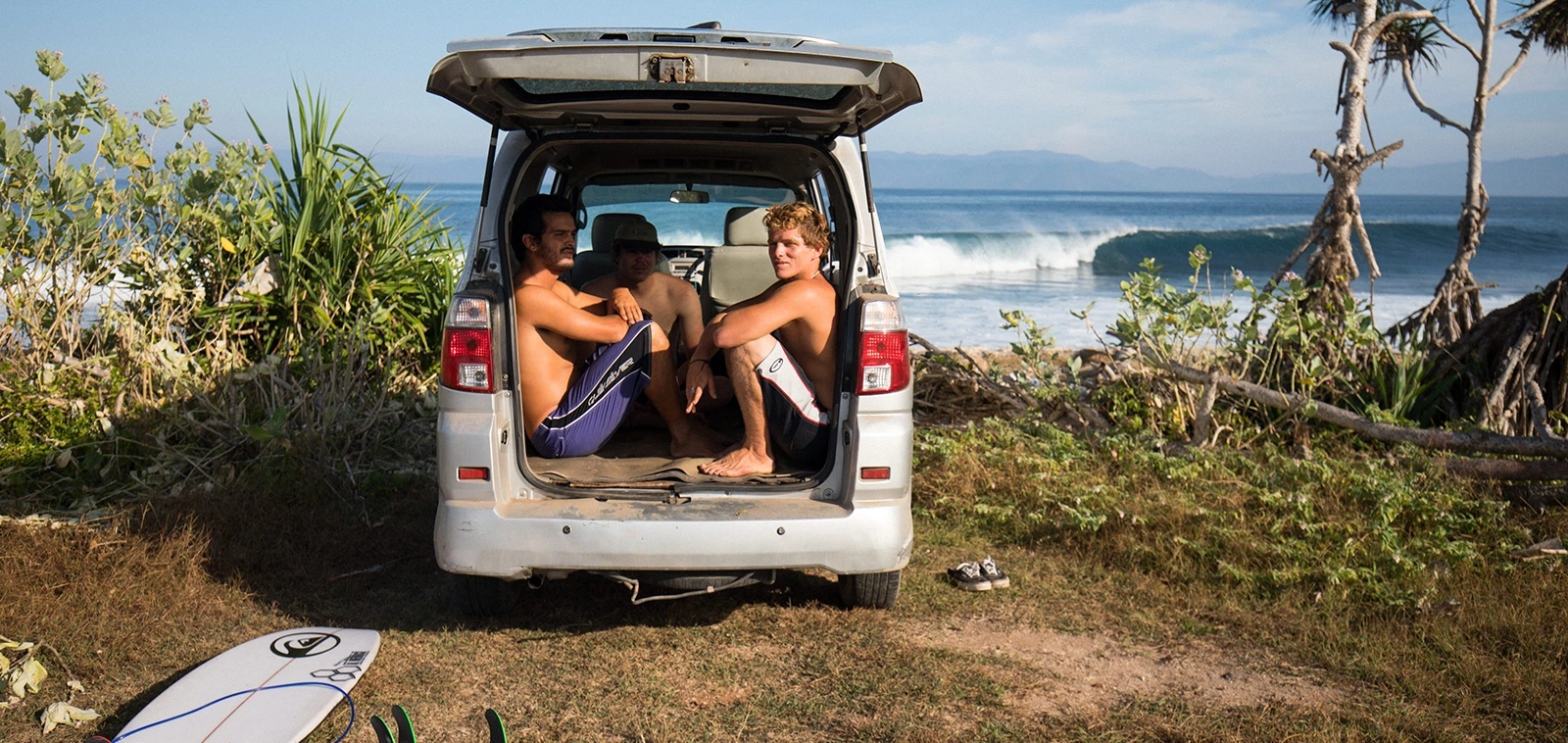
The call of the open ocean, the smell of salt air, and the freedom to discover new spots: the surf road trip embodies the very essence of adventure. Setting off with your board under your arm is more than just a holiday. It is a quest for perfect waves, authentic moments, and unforgettable encounters. But how do you turn this dream into reality? Between choosing the vehicle, prepping your gear, and planning the route, organising a road trip dedicated to surfing requires meticulous preparation.
Choosing your road companion : campervan, classic bus, or car?
The converted campervan for total freedom
The modern converted van represents the ultimate in autonomy. With a built-in bed, equipped kitchen, and optimised storage, it transforms every car park facing the ocean into a temporary base camp. Sound and thermal insulation guarantee a restful night’s sleep after long sessions in the water.
The benefits of the campervan extend beyond simple comfort. Its storage capacity allows you to take multiple boards (your quiver), wetsuits, and technical gear. An outdoor shower makes rinsing off after every session a breeze, while the fridge keeps your provisions fresh for days.
However, this freedom comes at a cost. The initial investment remains significant, and fuel consumption can heavily impact your budget. Furthermore, many surf spots in the UK and Europe now have height barriers, making them inaccessible to taller vehicles.
The vintage camper : authentic adventure
The classic camper (like the VW Bus) embodies the soul of the traditional surf trip. These mythical vehicles offer a unique experience, blending nostalgia with authenticity. Their undeniable charm and decent living space make them endearing travel companions.
The living area in a vintage van allows for a comfortable bed and efficient organisation of your kit. Their reasonable size makes navigating narrow coastal lanes much easier than in a modern motorhome. The iconic status of these vehicles also sparks conversations and encounters with locals wherever you park up.
Nevertheless, mechanical reliability can be an issue, especially over long distances. Spare parts are sometimes hard to find, and a breakdown can compromise your itinerary. The lack of modern amenities (like power steering or air con) also limits general comfort.
The car and tent : the flexible, budget-friendly choice
This combination offers the best flexibility-to-cost ratio for nomadic surfers. Your personal vehicle, accompanied by a quality tent, allows you to explore all types of terrain without size constraints.
The versatility of this solution adapts to all budgets. You can alternate between wild camping (where permitted), established campsites, and traditional accommodation depending on the circumstances. The overall cost stays under control, and the reliability of your daily driver limits the risk of breakdowns.
The main drawback lies in the daily time spent pitching and striking camp. In bad weather—a classic feature of UK surf trips—setting up becomes tedious. Limited storage space also forces you to be ruthless when packing your equipment.
Surf Road Trip Logistics
Analyse your needs to identify the right vehicle for your next expedition.
What to pack in the boot?
The ideal quiver for the road
Your board selection needs to cover as many conditions as possible while still being manageable to transport. A versatile “daily driver” for average conditions is your foundation. Add a shorter board (step-up) for hollower days and a longer board (log or mid-length) for smaller, mushier waves.
The condition of your boards deserves special attention before you leave. Check that old repairs are watertight and fix any dings. Pack a complete ding repair kit with solar resin, fibreglass cloth, and sandpaper. Spare fins are also essential to avoid disaster if you snap one on a reef.
Protecting your boards during transport is crucial. Hard travel cases offer the best protection against knocks and temperature changes (especially inside a hot van). For long drives, remove the fins and protect the rails with pipe lagging or foam noodles.
Wetsuits, leashes, wax, and the rest
Your wardrobe must adapt to the climate you’ll encounter. A 3/2mm wetsuit covers most European summer conditions. Add a 4/3mm for colder mornings or heading north, and a shorty for warmer southern destinations. Booties, gloves, and a hood complete the arsenal for extreme conditions or winter trips.
Essential accessories include several leashes of different lengths, a stock of wax (base coat + temperature-specific top coats), and a wax comb. Don’t forget waterproof sunscreen (zinc) and sunglasses.
Maintaining your gear prolongs its life. Pack some wetsuit shampoo (“Piss Off” or similar), a sturdy hanger for drying your suit, and a waterproof bucket or dry bag for wet kit. A jerry can of fresh water makes a post-surf rinse much easier.
The nomadic surfer’s survival kit
Organising your living space determines your daily comfort. Use airtight, stackable storage boxes to optimise space. Compression sacks significantly reduce the volume of your clothes.
Your travel first aid kit should cover common surfer ailments: anti-inflammatories, antiseptic (Betadine), waterproof plasters, and tweezers for sea urchin spines. Add your personal medication and your doctor’s contact details.
Energy autonomy becomes crucial when you are far from amenities. A portable solar charger keeps your phones and cameras running. An electric cool box (12V) keeps your food fresh, while a reliable camping stove guarantees hot meals after sunset.
How to plan your stops?
Finding the right spots : apps and local tips
Specialised weather apps are your best allies for anticipating conditions. Consult multiple sources (Magicseaweed, Surfline, Windy) to cross-reference forecasts and identify favourable windows. Detailed swell charts help you understand how waves are forming.
Traditional guidebooks (like The Stormrider Guide) remain valuable references, but local knowledge beats everything. Local surf shops are full of expert advice on tides, access, and specific spot etiquette. Don’t hesitate to strike up a conversation with local surfers in the car park.
Recceing access points beforehand avoids nasty surprises. Some spots require a significant hike or present specific dangers (rocks, rips). Check local regulations, as some areas are protected or have restricted access for vans.
Planning without over-planning
Your itinerary should remain flexible enough to adapt to the weather. Have several options for each region you visit, including sheltered spots for windy days. This approach allows you to maximise your wave count.
Time management becomes a delicate art. Give yourself generous margins to fully enjoy good conditions when you find them. A schedule that is too tight deprives you of the magic of impromptu encounters and spontaneous discoveries.
Identify the “must-visit” stops on your route while keeping “freedom zones.” This hybrid structure combines logistical security with creative spontaneity—the very essence of the surf trip spirit.
Budgeting for key expenses
Anticipating a realistic budget ensures a stress-free trip. Split your costs between fixed expenses (fuel, tolls, ferries) and variable ones (food, activities). Add a 20% buffer for the unexpected.
Fuel is often the biggest cost. Calculate your distances and your vehicle’s consumption precisely. Dedicated apps can help you locate the cheapest petrol stations along your route.
Accommodation offers many options depending on your budget. Free wild camping (where legal) can alternate with paid campsites to vary the experience. Hostels and guesthouses can also enrich the human experience if you need a break from the van.
Life on the road : daily tips
Where to sleep : wild spots, campsites, and aires
Choosing where to park up for the night directly influences the quality of your sleep. Wild spots offer incomparable proximity to nature but require vigilance and discretion. Prioritise spots sheltered from the wind, away from busy roads and nesting areas.
Official campsites guarantee security and amenities (hot showers, toilets, electricity hooks-ups). Their location facing the sea is often worth the moderate cost. The conviviality of these places fosters exchanges with other travellers.
“Aires” (motorhome stopovers common in Europe) represent an interesting compromise. Their low cost and strategic location near spots make them practical alternatives. Check for specific services: waste disposal, water, and electricity.
Eating : cooking simply and healthily
A balanced diet maintains your energy throughout the adventure. Prioritise fresh local produce discovered at regional markets. These encounters enrich your cultural journey while supporting the local economy.
Nomadic cooking requires simplicity and efficiency. Master a few nutritious and filling one-pot recipes: wholewheat pasta, vegetable rice, mixed salads. A good knife, a chopping board, and a few airtight containers are all you need.
Preserving food without constant refrigeration requires a few tricks. Eat perishable products quickly, store dry goods in sealed boxes, and use a passive cool box (with ice blocks) if you don’t have an electric one.
Respecting the environment and local surf culture
Your visit must leave the place in an impeccable state. Rigorously apply the “Leave No Trace” principle: take all your rubbish with you, avoid damaging vegetation, and respect the tranquillity of local residents.
Integrating into the local surf culture requires observation and humility. Every spot has its unwritten codes: priority order, preferred take-off zones, peak times. Watch before paddling out and respect the natural hierarchy.
Your behaviour reflects the image of all travelling surfers. A smile, a sincere thank you, and a respectful attitude open doors. these small gestures create lasting bonds.
Ready to go? Your pre-departure checklist
Vehicle and Equipment:
- Full vehicle service (brakes, tyres, oil, levels).
- Breakdown kit and basic tools.
- Updated GPS and backup paper road maps.
- Travel insurance and breakdown cover.
Surf Gear:
- Boards adapted to expected conditions.
- Wetsuits suited to water temperatures.
- Complete ding repair kit.
- Essential spares (leash, wax, fins, fin key).
Documents and Formalities:
- Valid Passport/ID.
- Driving licence and V5C (Logbook).
- Vehicle insurance (Green Card if needed) and liability cover.
- GHIC (Global Health Insurance Card) or valid EHIC.
Health and Safety:
- Adapted first aid kit.
- Personal medication in sufficient quantity.
- Waterproof sun protection.
- Emergency numbers for the countries visited.
FAQ – Your questions about surf road trips
What is the ideal duration for a first surf road trip?
Two to three weeks allow you to find your rhythm without exhaustion. This duration offers enough time to adapt to weather changes and discover several regions.
Should I book accommodation in advance?
A mix of both approaches works well: book the first and last nights to secure your journey, but keep the middle flexible to follow the surf conditions.
How do I protect my boards during transport?
Use hard travel bags (coffins), remove removable fins, and pack your boards securely with towels or bubble wrap to prevent them from banging against each other during the drive.