
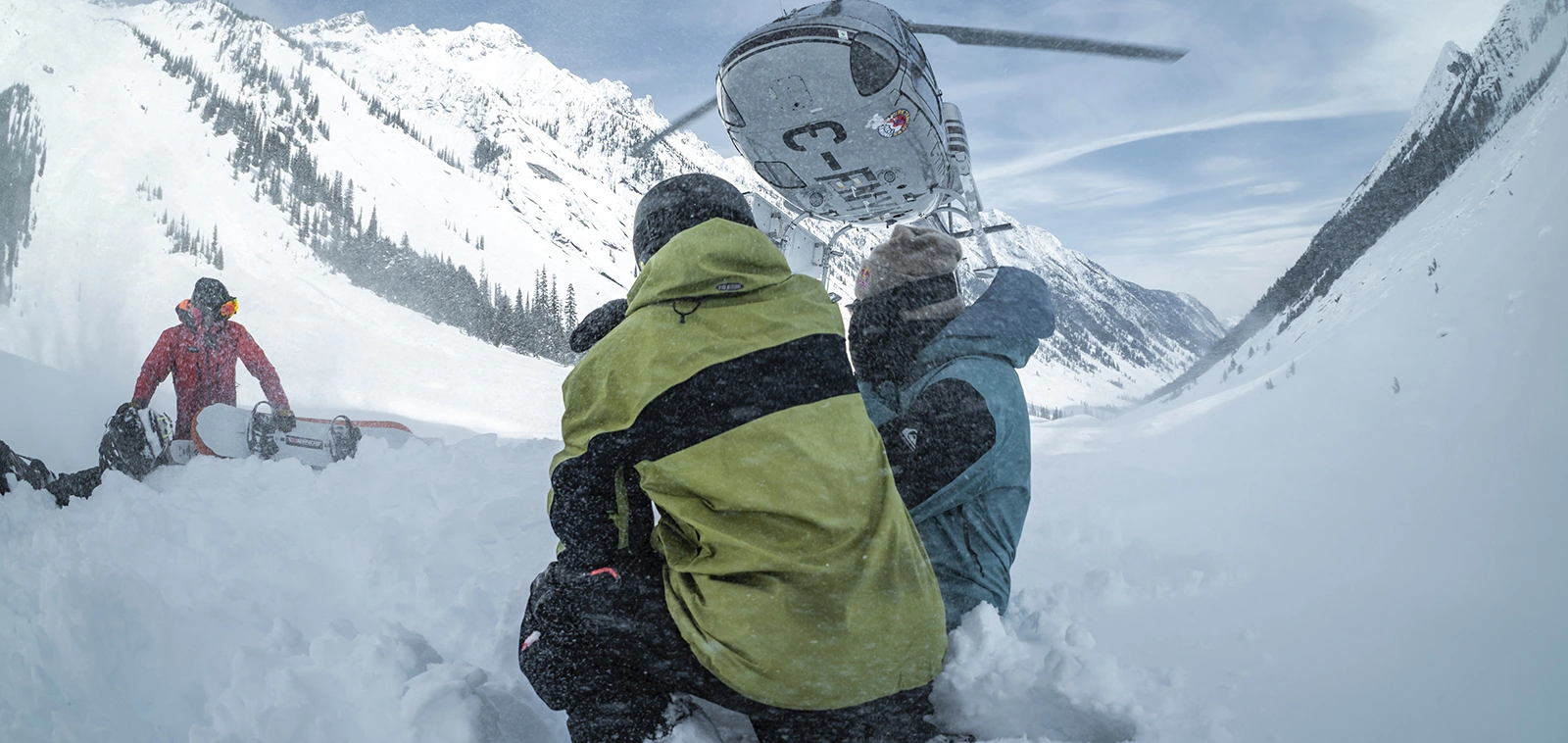
On the mountain, your snowboard jacket is your first line of defence against the cold, snow, and wind. Picking the right one is the difference between a legendary day and a shivering disaster. It’s all about balancing warmth, protection, and the freedom to move.
In this guide, we’ll break down the essential criteria to help you find the perfect jacket for your riding style, so you can focus on the shred rather than the frostbite.
Why a good snowboard jacket is essential
Protection against the elements
Faced with the whims of mountain weather, your jacket’s thermal insulation creates a protective barrier that traps body heat while blocking out freezing air. Modern technical fabrics act as a shield, allowing you to ride through heavy snowfall or biting winds without a second thought.
Comfort and freedom of movement
Snowboarding is an active sport. Whether you’re carving, spinning, or just trying to stay upright, you need a full range of motion. A poorly designed jacket will restrict your movement and cramp your style. Modern jackets often feature strategically placed stretch panels at the joints. These flexible zones move with you, ensuring your gear never feels like a straitjacket when you’re going for that grab.
Safety and visibility
Being seen is a safety requirement. Bright colours or reflective details make it easier for other riders to spot you, significantly reducing the risk of collisions. Additionally, secure pockets are a must. Integrated, waterproof pockets for your phone, lift pass, and wallet ensure your essentials stay dry and safe, even if you take a spectacular tumble.
Technical criteria for high performance
Waterproofing
Waterproofing is measured in millimetres using the Schmerber index (10K, 15K, 20K). This value indicates how much water pressure the fabric can take before it starts to leak.
- 10,000mm (10K): The gold standard for most conditions.
- Membranes: Technologies like Gore-Tex or DryFlight provide top-tier waterproofing while remaining breathable. They block external water but let internal moisture escape—keeping you dry from the outside and the inside.
Breathability
Breathability is measured in MVTR (g/m²/24h). This tells you how much moisture vapour can escape through the fabric in a day.
- The Goal: A rating above 10,000g ensures your sweat is wicked away even during intense hiking or park sessions.
- The Benefit: Without breathability, your sweat condenses, leaving you damp and dangerously cold once you stop moving. Look for underarm vents (pit zips) to help regulate your temperature.
Thermal insulation
Isolation determines how much heat your jacket retains. You generally have three choices:
- Natural Down: Incredible warmth-to-weight ratio, but loses its power if it gets wet.
- Synthetic Padding: Water-resistant and durable, though slightly heavier.
- Technical Fleece: Highly breathable and versatile for layering.
Note on Weight: Insulation is measured in grams per square metre (g/m²).
- 60–120g/m²: Moderate warmth, ideal for active riders.
- 120g/m²+: Designed for extreme cold or less active sessions.
Features and fits that make the difference
The “look” is important, but the cut also affects how you ride. There are three main styles in the snowboarding world:
- Slim Fit: Closely follows your silhouette for a sleek look and better aerodynamics.
- Regular Fit: The perfect middle ground between comfort and a modern look—plenty of room for a mid-layer.
- Baggy/Oversized: Maximises freedom of movement and offers that classic relaxed freestyle aesthetic.
Articulated elbows and shoulders are designed to mirror your natural movements. This advanced ergonomics prevents the fabric from bunching up or creating uncomfortable tension—something you’ll truly appreciate during those long, all-day sessions.
Pockets: small details, big difference
Well-thought-out pockets can genuinely change your day on the slopes:
- Hand-warmer pockets: Perfect for keeping your fingers toasty between runs.
- Lift pass pocket: Located on the sleeve for easy scanning at the barriers without removing your gloves.
- Goggle pocket: Usually lined with mesh or micro-fleece to protect your lens from scratches and help reduce fogging.
- Media pockets: Designed for riding to your own soundtrack. These feature internal cable routing to keep your headphones tangle-free and your phone safe from impacts.
The hood
An adjustable hood is essential for a perfect fit, whether you’re wearing a beanie or a helmet. Multi-point adjustment systems allow the hood to follow your head’s movement, ensuring your peripheral vision remains clear.
Helmet compatibility is a non-negotiable for modern safety. Look for hoods with enough volume and reinforced contact points. Some models even offer removable hoods, allowing you to streamline your kit when the sun comes out.
Powder skirts
These internal waist gaiters create a seal between your jacket and trousers.
- Fixed skirts offer constant protection, while removable models let you customise your jacket based on the conditions.
- Jacket-to-pant interfaces: Many brands now offer snap or zip systems that connect the two pieces, providing total protection against snow—a lifesaver when you’re waist-deep in fresh powder.
Ventilation and pit zips
Pit zips (underarm vents) are the most effective way to dump heat. These zipped openings allow you to regulate your temperature quickly during intense hiking or spring sessions. They leverage a natural “chimney effect” to keep air circulating.
Higher-end jackets may also include back or chest vents, allowing you to fine-tune your internal climate regardless of how hard you’re riding.
Cuffs and gaiters
Adjustable cuffs are your last line of defence against the creeping cold.
- Velcro tabs offer a simple, reliable seal.
- Lycra wrist gaiters sit against the skin for a soft, draught-free fit.
- Thumb loops are a brilliant addition; they keep your sleeves locked in place even during the biggest bails, preventing that dreaded gap between glove and sleeve.
Zips: the industry standard
Zips are often the first part of a jacket to fail. That’s why YKK zips are the benchmark: their reliability is legendary. They are built to withstand extreme cold and the constant “up-and-down” of a long season. To ensure they stay waterproof, look for zips featuring protective storm flaps, specialised coatings, or high-frequency welds.
Choosing based on your riding style
For beginners and occasional riders
If you’re just starting out, prioritise warmth and comfort. A jacket with generous insulation will keep you warm during breaks and more moderate physical activity.
- Look for: Plenty of pockets, an easy-to-adjust hood, and a slightly looser fit to allow for extra layers as you figure out your temperature.
For advanced riders and freeriders
When you’re heading out of bounds, technical specs are everything. Maximum waterproofing is crucial for deep snow, while high breathability is needed to wick away sweat during the hike up.
- Look for: Multiple vents, dedicated pockets for safety gear (like a transceiver), and abrasion-resistant reinforcements.
For the park and freestyle
Freestyle is all about range of motion and style. A baggier fit is usually preferred to allow for complex rotations and grabbed airs.
Look for: Strategic reinforcements to handle the wear and tear of rails and boxes, and high breathability for those high-energy park laps.
FAQ – Snowboard jacket essentials
What is the difference between a ski jacket and a snowboard jacket?
Generally, snowboard jackets have a looser, longer cut to allow for the dynamic movements of the sport. They also often feature reinforced areas tailored to common snowboard bails and specific pocket layouts for the gear we carry.
Can I wear my snowboard jacket in the city?
Absolutely! Modern technical jackets blend performance with urban style. Their waterproof and windproof properties make them incredibly practical for a rainy, windy commute.
How do I choose the right snowboard jacket size?
Prenez votre taille habituelle en prévoyant l’espace nécessaire aux couches intermédiaires. La veste doit permettre une liberté de mouvement totale sans être trop ample au risque de perdre en efficacité thermique.
How much does a good snowboard jacket cost?
Prices range from €150 to €600 depending on the tech. A budget of €250 to €350 usually gets you a high-performance jacket that will handle almost anything the mountain throws at you.