
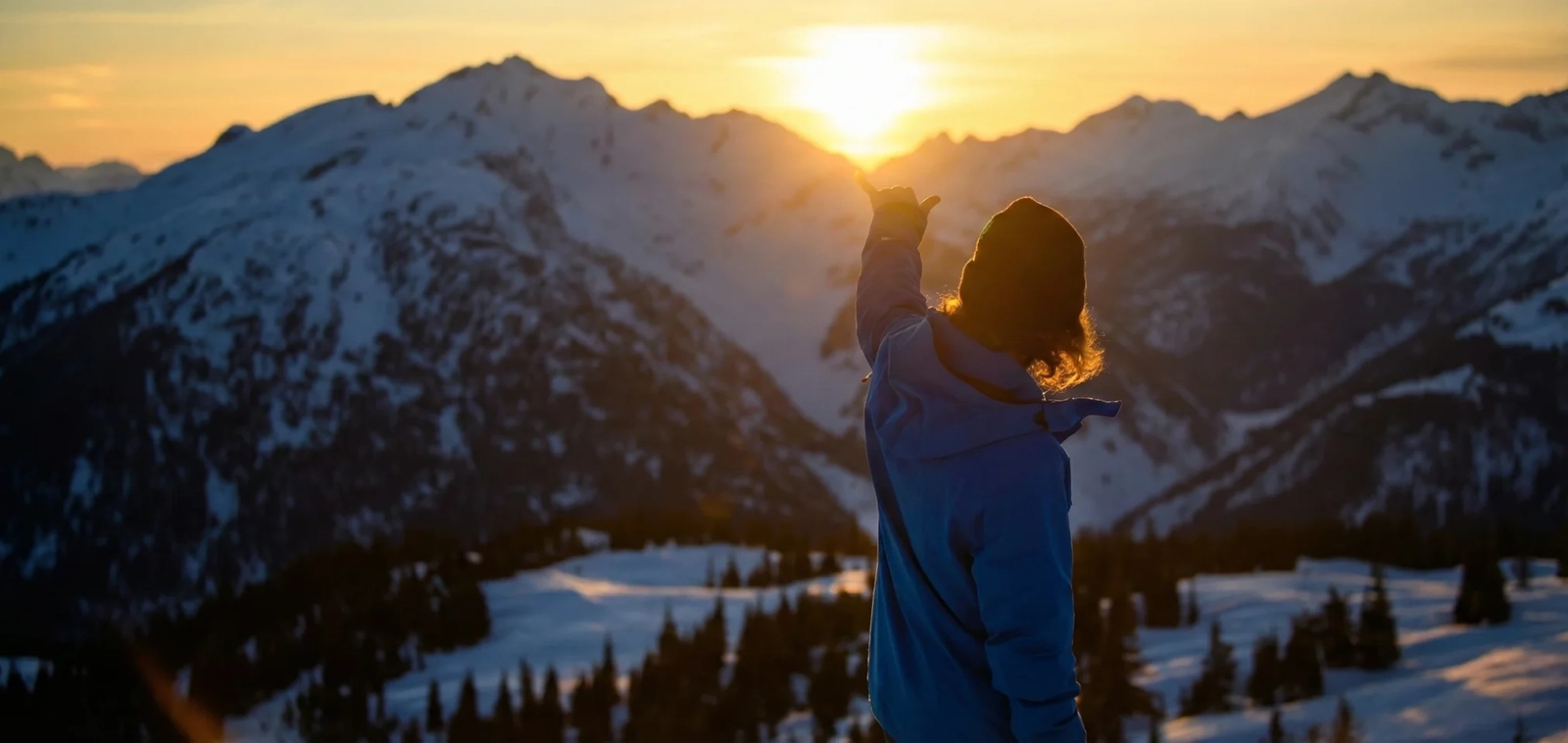
Before you head back to the mountains, a little preparation is essential for a safe and enjoyable trip. From checking your gear to monitoring the weather and refreshing your knowledge of mountain etiquette, a few simple habits can prevent many unpleasant surprises.
This guide provides a clear checklist to help you inspect your equipment, analyse the conditions, and adopt the right habits on the slopes, ensuring you can enjoy the mountains with total peace of mind.
Checking your gear for a stress-free ski
Your equipment is your first line of defence against mountain hazards. Every item, from your skis to your accessories, plays a vital role in your safety and comfort.
Skis and bindings: settings, waxing, and overall condition
Your skis deserve special attention before every outing. Inspect the edges: they should be sharp and free of significant nicks that could compromise your grip on hard-packed snow. The base (sole) should be smooth and even, without deep scratches that might slow you down.
Waxing directly affects your control and enjoyment. A well-maintained base glides better and responds more precisely to your movements. If you notice whitish or rough patches, it’s time for a professional service at a local ski shop.
Bindings require precise adjustment based on your weight, height, and ability level (DIN settings). If they are too loose, you’ll pre-release during a turn; if they are too tight, they may not release during a fall. Have these settings checked every season by a qualified technician.
Well-fitted ski boots
Ill-fitting ski boots can turn a perfect day into a nightmare. They should hold your foot firmly without painfully compressing your toes. A good fit allows you to wiggle your toes slightly while keeping your heel securely locked in place.
Check the condition of the shells and buckles before each use. Cracks or deformations can hinder power transfer and lead to unexpected breakages. Inner liners must be dry and in good condition to ensure warmth and comfort.
Don’t hesitate to adjust the tightness throughout the day. On cold mornings, starting with slightly looser buckles can compensate for material contraction and prevent painful pressure points.
Helmets and back protectors
A helmet is no longer an option—it is an absolute necessity. It should fit your head perfectly without pressure points, and the adjustment system should allow for a snug fit. Check for any cracks in the outer shell and ensure the inner foam is intact.
Replace your helmet after any significant impact, even if no damage is visible. The protective materials lose their shock-absorbing properties after a hit and will no longer guarantee your safety.
Back protectors are becoming increasingly popular, especially for off-piste skiing or high speeds. They should cover the lumbar and dorsal vertebrae without restricting movement. Choose a model suited to your body shape and skiing style.
Essential technical clothing
The layering system remains the gold standard for adapting to changes in temperature and activity levels. A base layer wicks away moisture, a mid-layer provides insulation, and the outer shell protects against wind and snow.
Choose technical fabrics that retain their properties even when wet. While comfortable at home, cotton is dangerous in the mountains because it holds moisture and loses its insulating power.
Check the waterproofing of your outerwear and the condition of the zips. A jacket that leaks or has a jammed zip can seriously compromise your comfort and safety in bad weather.
Accessories: goggles, gloves, and sun protection
Goggles protect your eyes from intense high-altitude UV rays and improve visibility in all conditions. Choose the right lens: clear for low light/fog, dark for bright sun, and yellow or orange to enhance contrast on cloudy days.
Gloves must combine warmth, waterproofing, and dexterity. Test your ability to handle zips and ski poles while wearing them. Thin liner gloves offer extra warmth and allow you to maintain dexterity for delicate tasks.
High-factor sun cream is vital, even on overcast days. Snow reflection intensifies UV rays significantly. Don’t forget often-overlooked areas: ears, the tip of the nose, and under the chin.
Monitoring weather and snow conditions
The mountain sets the rules, and weather can change in minutes. Anticipating conditions allows you to adapt your plan and avoid dangerous situations.
Consulting detailed weather forecasts
Mountain forecasts differ significantly from valley reports. Consult specialised sources that account for altitude and topography. Local resort apps and dedicated mountain weather services provide detailed bulletins by sector and elevation.
Pay close attention to the wind, which is often underestimated. Strong gusts can destabilise even experienced skiers and may lead to lift closures. Remember that the “feels like” temperature drops sharply with wind chill.
Visibility is key to your safety. In “whiteout” conditions or heavy snow, stick to easy, well-marked pistes. Never hesitate to end your day early if conditions deteriorate.
Reading the ski report and avalanche risk
The Avalanche Danger Scale (ranked 1 to 5) is published daily. Even if you stay on the marked runs, this bulletin affects safety as certain areas may be closed preventatively.
Understand the main risk factors: recent heavy snowfall, significant temperature rises, and strong winds that transport snow. These elements create unstable conditions even on terrain that usually feels safe.
If you plan on guided off-piste skiing near the trails, stay informed about sensitive zones and strictly follow your guide’s instructions. There is no such thing as zero risk in the mountains.
Powder, ice, or slush?
Each snow type requires a shift in technique. Powder is magical but can hide obstacles or create snow clouds that limit visibility.
Ice or hard-pack requires perfectly sharpened edges and precise technique. These conditions increase the risk of sliding falls. Reduce your speed and stick to predictable lines.
Spring snow (slush), softened by the sun, is fun but becomes heavy and “sticky” by late afternoon. It is physically demanding on the muscles and can be unpredictable depending on the slope’s exposure.
Adapting your route to the day’s conditions
Plan your day based on the actual conditions rather than your wish list. Start with easier runs to assess your energy levels and snow quality.
Focus on the best aspects: North-facing slopes to find better snow, and South-facing slopes to enjoy the sun when it’s cold. Late in the day, avoid sun-drenched slopes where the snow has become heavy and difficult to turn in.
Preparing your body and mind
Skiing is physically demanding in a challenging environment. Proper preparation helps prevent accidents caused by fatigue or loss of focus.
Warming up before you start
A few minutes of warming up at the bottom of the lifts prepares your body for the intensity of skiing. Focus on joint mobility: ankles, knees, hips, and shoulders.
Use progressive movements like light squats and lunges to wake up your leg muscles. Start your first few runs gently, even if you feel fit. Your muscles and reflexes need time to find their rhythm.
Hydration and nutrition
Altitude and physical effort increase your need for water, even in the cold. Drink small amounts regularly rather than waiting until you are thirsty.
Opt for a breakfast rich in complex carbohydrates: porridge, wholemeal bread, and fruit. Carry energy-rich snacks like nuts, cereal bars, or chocolate to combat mid-morning lulls. Eat before you feel hungry to maintain steady energy levels.
Knowing your limits
Fatigue is your worst enemy on the slopes. It slows your reflexes and impairs your judgement. Recognise the warning signs: heavy legs, loss of precision, or irritability.
Take regular breaks. A ten-minute rest can prevent a nasty fall or collision. Never be ashamed to head down early if you’re no longer skiing at your best—it’s the sign of a mature and responsible skier.
Safe habits on the slopes
On the mountain, anticipation is everything. Develop the reflexes that make safety second nature.
Respecting signs and ski patrol
Piste markings follow a universal colour code: Green (beginner), Blue (intermediate), Red (advanced), and Black (expert). Respect these classifications.
Signs also alert you to specific hazards: junctions, narrow sections, or icy patches. Always slow down when approaching these areas. Ski Patrollers (Pisteurs) know the mountain best; follow their instructions without question.
Managing speed and trajectory
Maintain control at all times so you can stop within your field of vision. Your speed should match your ability and the crowdedness of the slope.
Choose predictable lines. Avoid sudden changes of direction that might surprise skiers behind you. Look well ahead to anticipate obstacles and merging trails. In narrow sections, reduce your speed drastically.
What to do in the event of an accident
If an accident occurs, stay calm and secure the area. Plant your skis in a cross shape uphill from the victim to alert other skiers.
Assess the victim’s condition without moving them if a serious injury is suspected. Alert the rescue services by calling 112 or contacting the nearest lift station. Provide your exact location (piste name and nearest marker number) and describe the nature of the accident.
Ski Safety Checklist
Prepare your gear
- Check skis, bindings, boots and helmet.
- Consult the snow report and avalanche bulletin.
- Choose technical clothing (3-layer system).
- Safety pack: Water, snacks and sun protection.
Getting started
- Joint warm-up (5–10 minutes).
- Final adjustment of helmet and goggles.
- First run on an easy piste (snow test).
Control and awareness
- Adjust your speed to how busy the pistes are.
- Strictly follow signs and trail markers.
- Stay hydrated (even in cold weather).
- Know when to stop if visibility drops.
Recovery
- Avoid “one last run” if you are feeling tired.
- Easy descent back down to the resort.
- Check your equipment for the next day.
FAQ – Your questions about ski safety
How often should I have my ski equipment checked?
You should have your skis serviced at least once a season—more often if you are a frequent skier. Bindings require an annual check by a professional technician to ensure the release settings are correct. Always inspect your helmet after any impact and replace it every 3 to 5 years, depending on wear and tear.
How can I recognise the signs of fatigue?
Look out for shaky legs, a lack of precision in your movements, increasing irritability, or difficulty concentrating. These are clear signals from your body that it is time to take a break or call it a day.
When should I stop skiing due to the weather?
You should stop skiing in the event of storms, high winds (over 60 km/h (37 mph)), or thick fog that reduces visibility to just a few metres. Extreme temperatures – below -20°C (-4°F) when accounting for wind chill – are also a sign to head indoors. Caution should always come before the desire to stay on the mountain.